About Us
Our Mission
Our mission is to advance global impact in clinical research by expanding knowledge, strengthening trust, and empowering communities to become architects of the health solutions that shape their futures.
We provide education, tools, and collaborative pathways that make research more accessible and understandable, enabling people and organizations around the world to engage with clarity and purpose.
By connecting communities, science, and opportunity, we are building the foundation for a healthier world — and a legacy of health for generations to come.
Our Vision
By 2030, our vision is to reach and equip at least one million people worldwide with the knowledge, tools, and support to shape their health futures with clarity, confidence, and ownership.
We envision a world where communities everywhere rise as architects of progress in health — offering insight, strengthening trust, and helping guide the development of solutions that reflect real‑world needs and human possibility.
Through bold outreach, global partnerships, and long‑term investment in community leadership, we are working to spark a global movement that builds a healthier world today and a lasting legacy of health for generations to come.
Our Values
-
Accountability
We uphold responsibility, transparency, and ethical rigor across every stage of research, ensuring that communities, partners, and systems are protected, informed, and aligned with strong health policy standards.
-
Community Partnership
We honor the insight, leadership, and lived experience within communities, advancing advocacy that strengthens research, expands access, and ensures people can shape the health solutions that affect their lives.
-
Excellence
We pursue the highest standards in research, communication, and collaboration, ensuring that every action reflects precision, care, and a commitment to meaningful impact.
-
Impact
We measure what matters, grounding our work in outcomes that strengthen research, improve participation, expand access to healthcare, and create meaningful, lasting change.
-
Trust
We center trust as the foundation of participation, communication, and collaboration, ensuring that research is grounded in respect, clarity, and shared purpose.
-
Legacy
We invest in systems, workforce, and partnerships that create long‑term impact and strengthen health outcomes for future generations.
The Problems We’re Tackling
A global mistrust crisis that threatens the future of research.
Mistrust has become an epidemic — and if left unaddressed, it will become the next pandemic. Communities are asked to participate in research without transparency, partnership, or clear communication. This creates hesitation, misinformation, and low engagement across populations that research needs most.
A knowledge gap that limits informed health decisions.
Research is often complex, inaccessible, and disconnected from real‑world needs. Without clear pathways, people cannot confidently navigate studies, understand risks and benefits, or advocate for themselves.
A systems gap where research is designed for communities, not with them.
This leads to low enrollment, poor retention, and studies that fail to reflect lived experience. When research does not reflect real‑world populations, health solutions fall short.
A policy gap that disconnects governance from community realities.
Health policy and research protections often fail to account for cultural context, access barriers, or communication gaps. This weakens protections, slows innovation, and reduces the impact of global health investments.
A trust gap that undermines participation and weakens outcomes.
Without trust, even the most promising studies struggle to enroll, retain, or meaningfully engage participants. Trust is not a communication strategy — it is an infrastructure problem.
A missing infrastructure that connects communities, research, and policy — until now.
Without trusted systems that bridge these worlds, participation remains low, outcomes remain uneven, and trust remains fragile. Communities are left without ownership. Researchers are left without insight. Funders are left without measurable impact.
Why We Exist
We exist to build the infrastructure that research has been missing — the systems, tools, and pathways that restore trust, expand access, and ensure communities can shape the health futures they deserve.
Why this Matters
When trust, access, and clarity are missing, global health suffers:
promising studies fail
lifesaving innovations reach fewer people
health disparities widen
investments produce limited, uneven results
communities lose confidence in the systems meant to serve them
This is not a community problem. This is a systems problem — and systems problems require infrastructure solutions.

Meet Our Founder
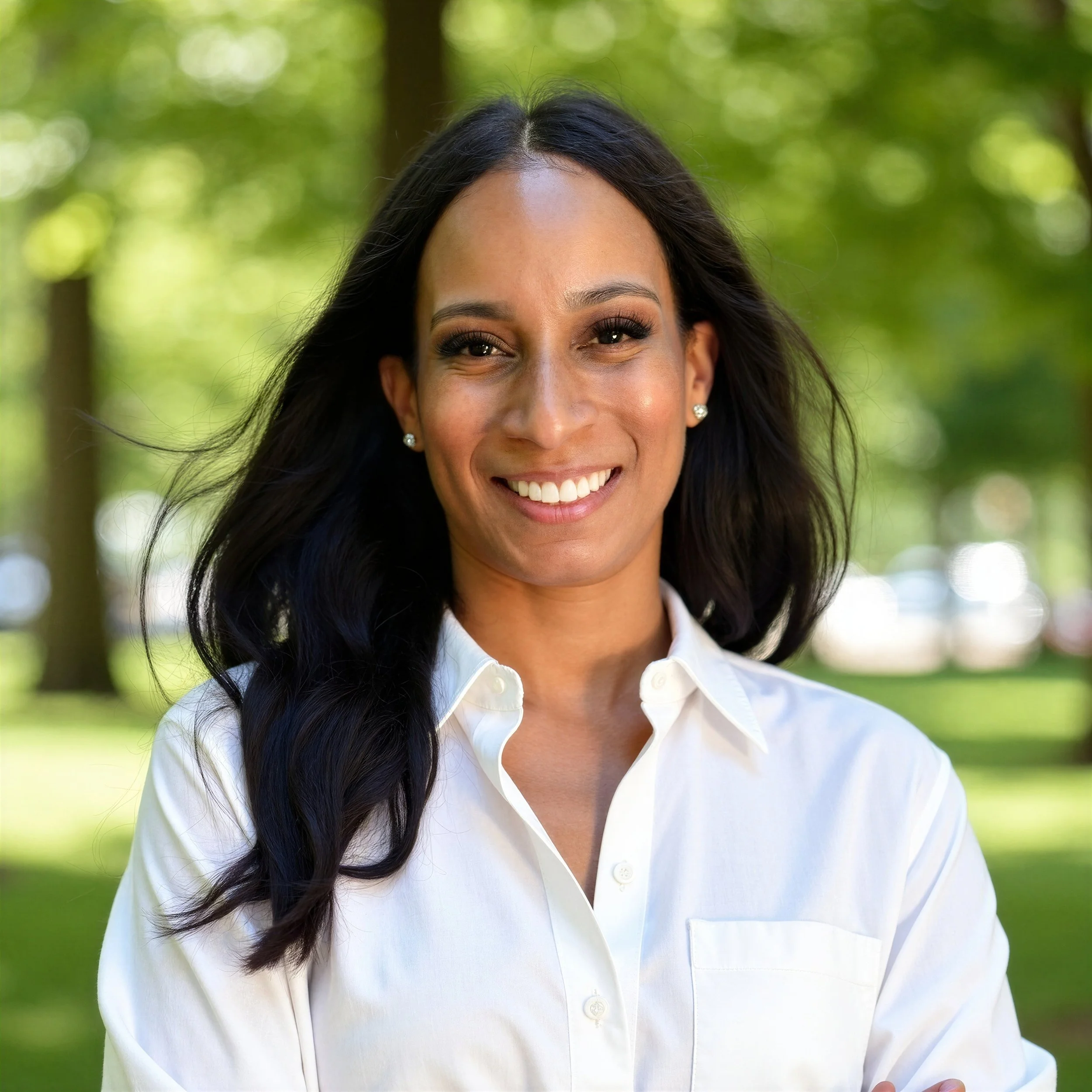
Her work spans several core focus areas that guide The CITE Foundation’s strategy and partnerships.
Focus Areas
• Patient engagement informed by real‑world insights
• Health policy engagements to advance access to healthcare
• Policy‑aligned research
Advancing Trust, Participation & Policy‑Aligned Research
Pearl’s work bridges community insight with clinical trial design, community activation, and patient engagement across the research ecosystem.
Pearl Phillips, RN‑BC, MBA, MSc is the Founder of The CITE Foundation and a clinical trial design strategist focused on strengthening trust and participation in research. With experience across public health nursing, hospital systems, global biopharma, and CROs, she brings a rare blend of clinical training, industry insight, and community perspective. Her work centers on translating real‑world experiences into policy‑aligned, trust‑building strategies that shape how organizations design, communicate about, and activate around clinical trials. Pearl partners with community organizations, health systems, and research sponsors to develop programs that strengthen credibility, support informed decision‑making, and improve long‑term participation across the research ecosystem.